ByJohn A
The Future of Real-World Asset Tokenization
Real-world asset tokenization aims to convert tangible assets into liquid, tradable tokens linked to programmable cash flows. The approach promises enhanced liquidity, broader investor access, and faster capital formation, underpinned by robust custody, governance, and compliance. Standards and interoperable protocols will enable cross-border liquidity and transparent performance reporting. As regulators, trustees, and technologists align, adoption could reshape traditional markets—yet critical decisions remain, and the path from concept to scalable reality warrants careful, data-driven scrutiny.
What Real-World Asset Tokenization Is Today and Why It Matters
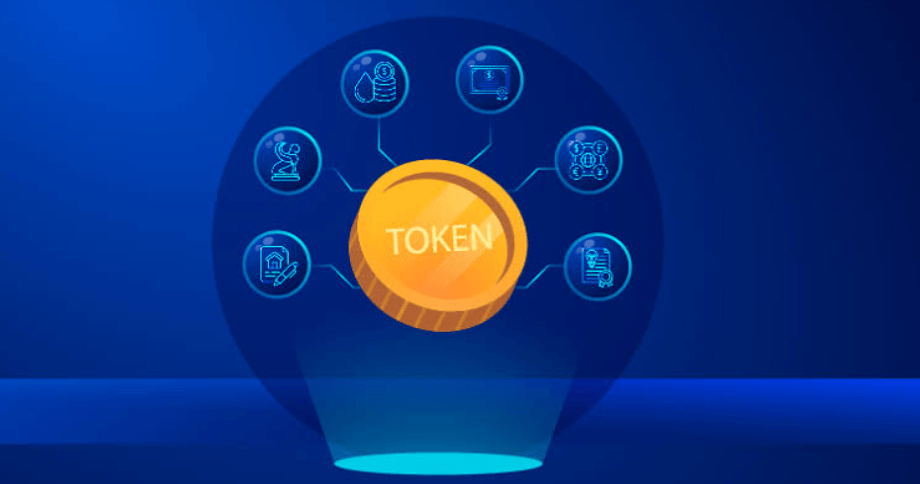
Real-world asset (RWA) tokenization converts tangible and non-digital assets—such as real estate, commodities, or art—into digital tokens on a blockchain, enabling fractional ownership, programmable cash flows, and enhanced liquidity.
Strategically, it aligns incentives, clarifies tokenization governance, and expands investor access.
Data-driven insights show improved asset liquidity, broader capital formation, and clearer risk signaling for freedom-seeking, outcomes-focused stakeholders.
How Tokenization Unlocks Liquidity Across Real-World Assets
Tokenization reshapes liquidity by converting illiquid, high-friction assets into tradable digital shares with transparent cash flows and fractional ownership. It enables measurable outcomes through tokenization governance, aligning incentives and improving decision speed.
Compliance, Custody, and Governance: The Guardrails You Need
What governance, custody, and compliance frameworks are required to scale real-world asset tokenization while safeguarding value and ensuring predictable outcomes? Regulators, trustees, and technologists align to enforce clear accountability, traceable provenance, and auditable performance.
Compliance frameworks establish risk thresholds; custody models ensure secure asset custody and access control.
Outcome-driven governance reduces friction, enhances resilience, and accelerates scalable, freedom-focused market participation.
Adoption Roadmap: Standards, Use Cases, and Next Steps
The Adoption Roadmap for Standards, Use Cases, and Next Steps translates governance, custody, and compliance into actionable momentum across markets.
Real world asset tokenization unlocks scalable pilots, measurable ROI, and cross-border liquidity.
Standards guide interoperability; adoption accelerates with clear benchmarks, risk controls, and transparent reporting.
Strategic prioritization aligns regulators, firms, and ecosystems toward repeatable outcomes, expanding access while preserving freedom to innovate.
See also: The Future of Web3 Ecosystems
Conclusion
The future of real-world asset tokenization stands as a lighthouse in a fog of complexity. Standards, custody, and governance act as the keel, steering governance bodies toward steady shores. Tokenized assets become bridges, converting illiquid holdings into measured, programmable cash flows. Data-driven dashboards illuminate ROI and risk, guiding decisions like lighthouses marking safe harbors. As regulators and technologists converge, adoption accelerates, transforming assets into transparent, scalable economies where capital flows with precision and resilience.